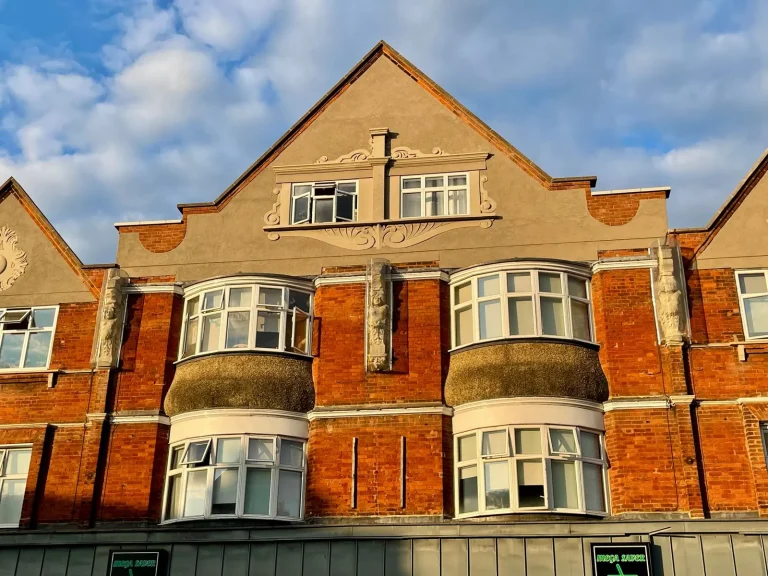
Brick, concrete and natural stone look tough, but they drink water. Rain soaks in, then works its way out again, and every cycle does a little damage. On a building, a parking structure or a retaining wall, that slow damage adds up to repair bills.
What water does to masonry
- Freeze-thaw cracking. Water in the pores freezes, expands and breaks the surface apart, a little more every winter.
- White salt stains (efflorescence). Water carries salts out of the material and leaves them as a white crust on the face.
- Green and black growth. Damp surfaces grow algae, mold and moss, which hold even more moisture.
- Damage behind the wall. Moisture that gets through can reach steel, insulation and interiors.
Why not just paint it?
Paints and film-forming sealers sit on top like a skin. They change the look, and moisture trapped behind them pushes them off, so they blister and peel. On walls, brick and stone you usually want the opposite: keep the natural look, and let the material breathe so trapped moisture can escape.
A sealer that soaks in instead
Natural Seal is a penetrating water repellent. Think of it as waterproofing the inside of the pores rather than covering the outside. It bonds into concrete, masonry, brick and porous stone and cuts how much water they take up. It leaves no film to peel, so the surface looks the same as before.
- Water-based and zero-VOC, so no harmful fumes.
- Breathable and UV resistant.
- Helps resist freeze-thaw damage and efflorescence.
- Anti-algae and antifungal, to help stop staining from growth.
- 5-year limited warranty.
How to apply it
- Make sure the surface is clean, dry and sound. Remove all oil, dust, grease and dirt. For oily areas, XD Bio Cleaner breaks down oil and grease first.
- Test a small, hidden area.
- Shake the container for several minutes, and again every 15 to 20 minutes.
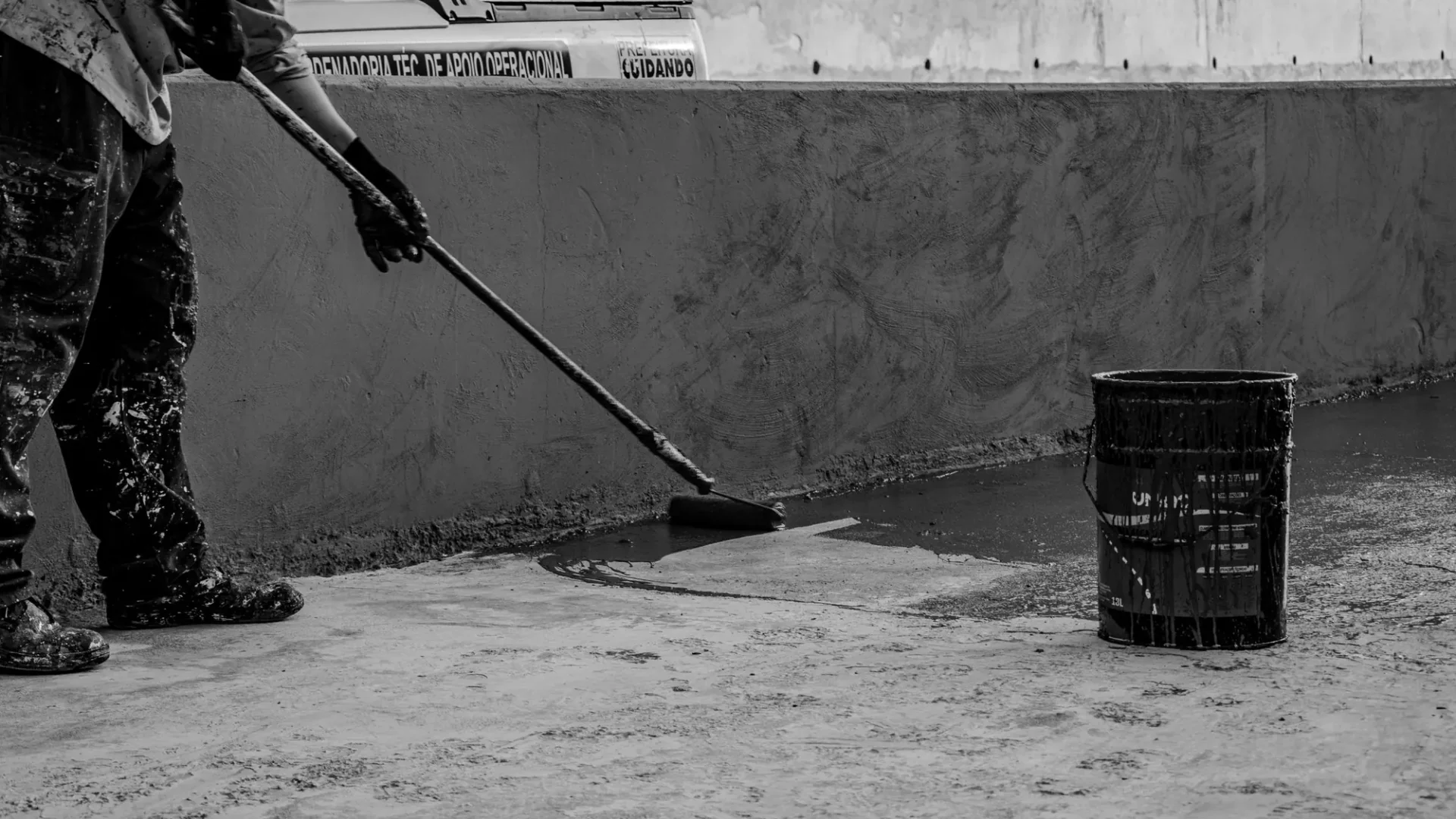
- Flood the surface with a pump sprayer.
- About 10 to 15 minutes later, while it is still wet, flood it again.
It is touch dry in 30 minutes and fully cured in 24 hours (at 77°F and 50% humidity). A 20 L pail covers about 1,050 to 2,100 sq ft, and more porous surfaces use more.
Natural Seal or Concrete Coating?
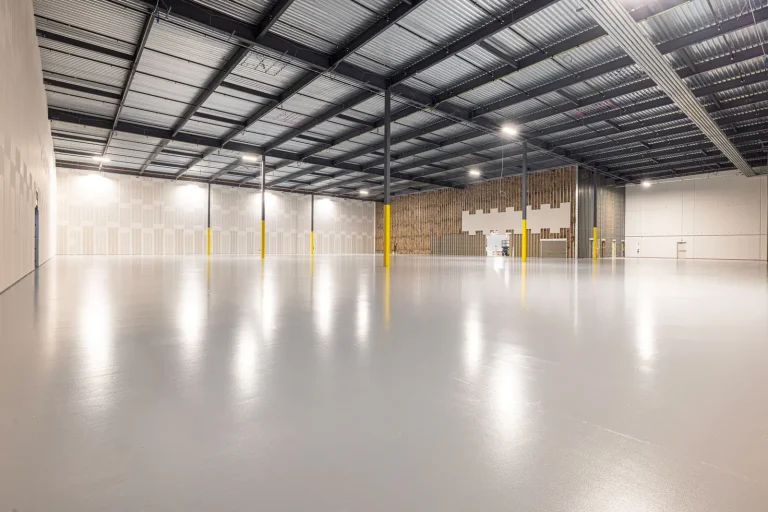
Both keep water out, but they do different jobs. Natural Seal soaks in and keeps the natural look, which suits walls, brick, stucco, pavers and stone. Concrete Coating forms a protective layer with a gloss or satin finish, and resists oil, grease and mild acids, which suits floors, decks, balconies and parking structures.
Looking after it
Rinse with a garden hose now and then to stop debris building up. Avoid harsh chemicals and high-pressure washing. If one area starts to lose its water beading, just reapply to that area.
Tell us about your building or surface, and we will help you choose between the two and work out how much you need.